
A quick starting point
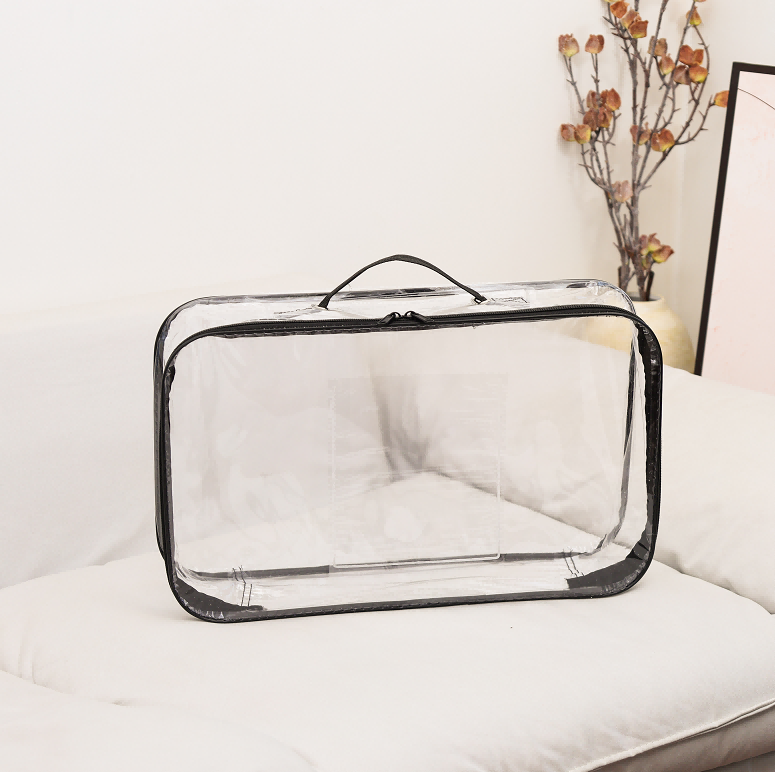
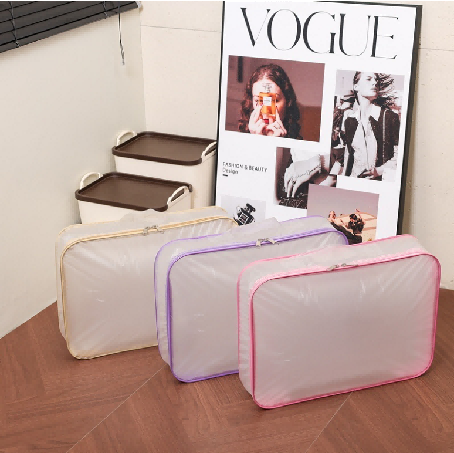
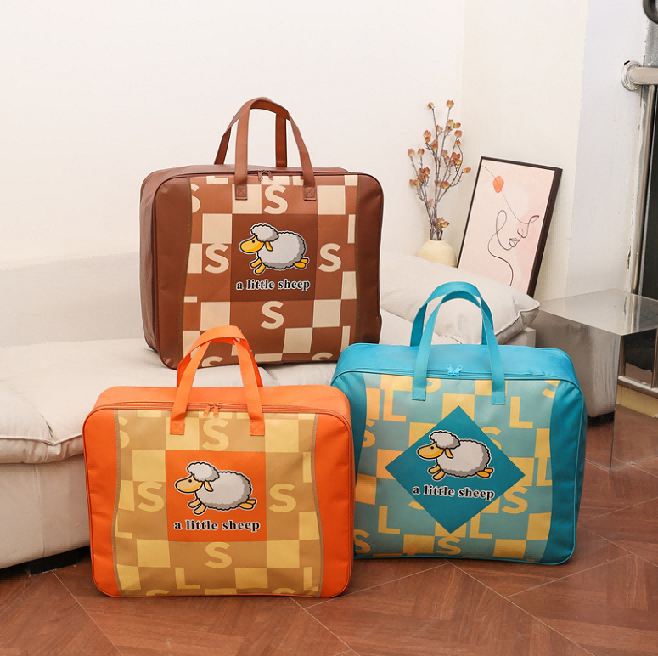
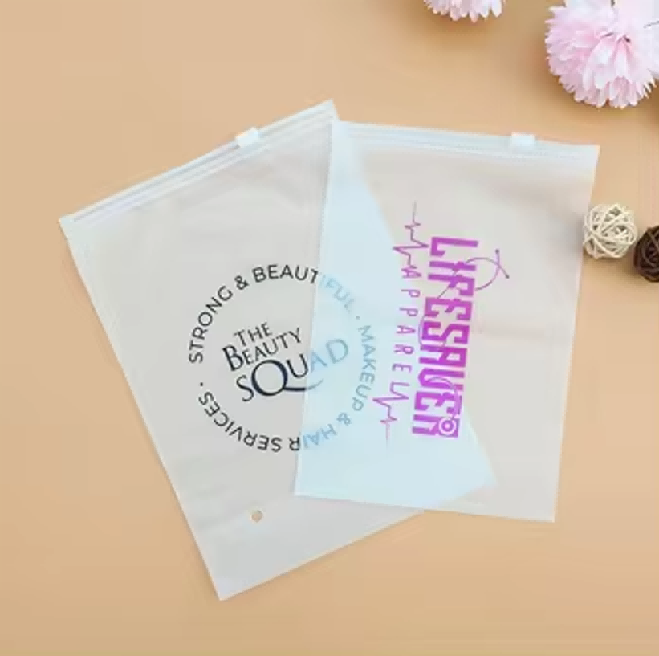
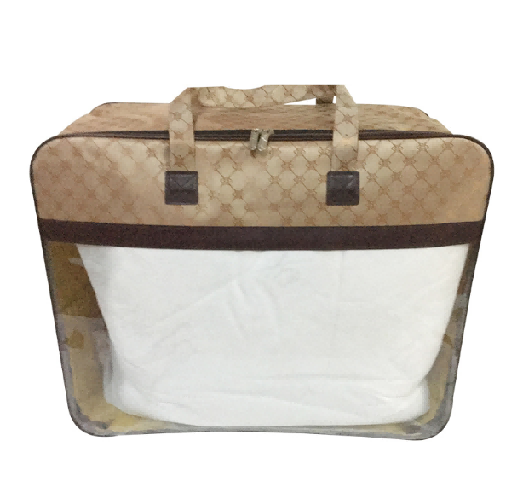
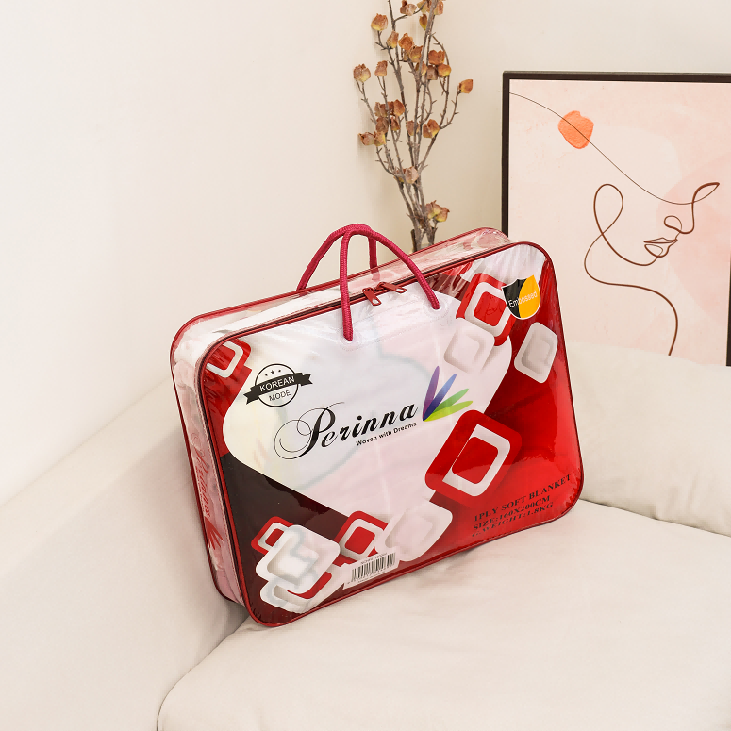
Consider clear PVC for bedding presentation, PE film bags for apparel and textile accessories, and non-woven bags for fabric storage or carry styles. These are starting points from our packaging collection, not a substitute for checking the exact construction with your product.
| Material | Typical uses in our collection | Questions to resolve |
|---|---|---|
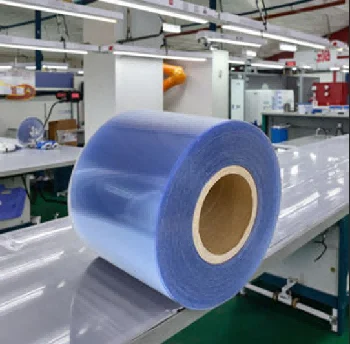
| PVC | Clear bedding bags, zipper packs and totes | How much product visibility is needed? Which thickness, opening and handles suit the filled pack? |
| PE | Apparel bags, zipper bags and printed mailing styles | Is this an inner pack or outer mailing bag? What closure, film thickness and opacity are required? |
| Non-woven | Bedding storage bags, window bags and printed totes | What fabric weight, gusset, handle construction and opening are needed? |
1. Define the pack's main purpose
Retail presentation, storage and delivery can call for different constructions. Write down the main job first. For example, showing a folded quilt through a clear panel is a different requirement from sending a garment in an outer mailer. Explain the use rather than selecting by appearance alone.
2. Measure the actual contents
Use the folded product, including inserts or accessories that will sit inside the bag. Record length, width and depth with units. State whether your dimensions describe the contents, usable internal space or the outside of a finished bag. See our bedding packaging measurement guide for a worked example.
3. Specify the complete construction
The material name does not describe the whole bag. Film thickness or fabric weight, seams, gussets, handles and closures all need agreement. Clear windows, piping and additional panels also affect how the finished bag is made. If one detail is undecided, list it as a question for sampling.
4. Confirm printing and appearance
Share the logo artwork, print colors, placement and any product information. Check how the artwork sits on a filled sample, especially around windows, folds and seams. The reference image shows a style; it does not confirm the final artwork or finish for a new order.
5. Approve fit before production
Pack a real product into the sample and check insertion, closure, handles and the displayed shape. Agree any use-specific tests or destination-market requirements before approving the order. Do not infer a certification, recycling outcome or carrying load from the material name alone.
What to send for a comparable quote
Send the same bag dimensions, material specification, construction, artwork and quantity to each supplier. Ask for sample costs, MOQ, packing and lead time on that basis. Comparing prices for different film thicknesses, fabric weights or finishing details will not give a like-for-like result.